
Fish60 products
Food, water conditioners, and aquarium supplies for freshwater and marine.
Fish keeping is a category with sharper requirements than most pet owners expect. Unlike dogs or cats, where a broad food and reasonable housing will work out, fish rely on water chemistry and diet matching species-specific needs. This category covers fish food (flakes, pellets, granules, wafers, freeze-dried), water conditioners and treatments, filter media and supplies, and tank accessories. Brands like Tetra, Seachem, Aqua One, and Pisces Enterprises dominate the Australian aquarium market and cover most tank setups.


Seachem
Seachem Flourish Excel
$17.99
$32.50Save up to $14.51

Tetra
Tetra Color Tropical Flakes (28g)
$9.00
$17.02Save up to $8.02

Seachem
Seachem Prime
$24.99
$45.00Save up to $20.01

Tetra
Tetrafin Goldfish Flakes
$10.00

Seachem
Seachem Stability
$14.99
$24.00Save up to $9.01

Tetra
Tetramin Tropical Flakes
$7.02
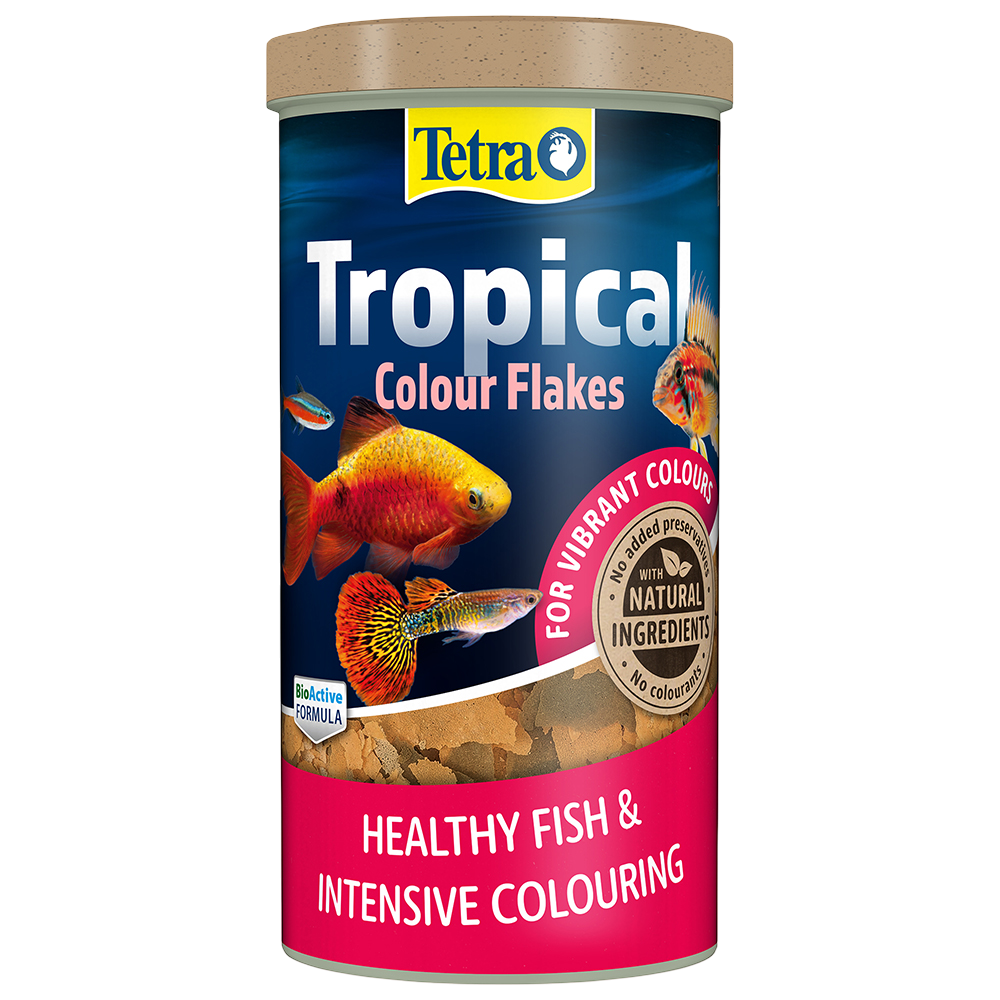
Tetra
Tropical Colour Flakes Fish Food
$10.49
$446.43/kg

Tetra
Tetra Freshdelica Bloodworms 48g (048)
$8.00
$12.07Save up to $4.07

Subscription prices can save 2-15%
Some stores offer autoship discounts. These range between 2.5-15% off when you set up a repeat delivery.

Tetra
Tetrapro Goldfish Crisps
$25.19
$44.79Save up to $19.60

Seachem
Seachem Fish Clarity Water Clarifier
$20.99
$39.97Save up to $18.98

Vetsense
Vetsense Lysine Paste For Cats
$20.39
$33.35Save up to $12.96

Tetra
Tetra Bloodworms Freeze Dried Food
$13.50
$13.89Save up to $0.39
$1736.25/kg

Tetra
Tetra Tropical Xl Grans
$7.00
$11.95Save up to $4.95

Tetra
Tetra Goldfish Grans
$13.99
$19.99Save up to $6.00

Tetra
Tetramin Goldfish Flakes Fish Food
$4.62
$458.33/kg

Tetra
Tetra Aquasafe Plus Water Conditioner For Fish
$10.61
$13.99Save up to $3.38
Prices fluctuate more than you think
Poppy has tracked price swings of up to 40% on the same product within a single month. Setting a price alert means you never miss a dip.

Penn Plax
Spongebob Squarepants Resin Replica Mini (q12)
$5.99
$8.99Save up to $3.00

Tetra
Tetra Goldfish Variety Pellets (53g)
$9.99
$12.58Save up to $2.59

Tetra
Tetra Fin Goldfish Flakes Fish Food
$5.24
$232.14/kg

Tetra
Tetramin Tropical Granules Fish Food
$7.00
$200.00/kg

Seachem
Seachem Flourish
$11.99
$27.00Save up to $15.01

Tetra
Easybalance Plus 250ml (250)
$15.93
$19.00Save up to $3.07
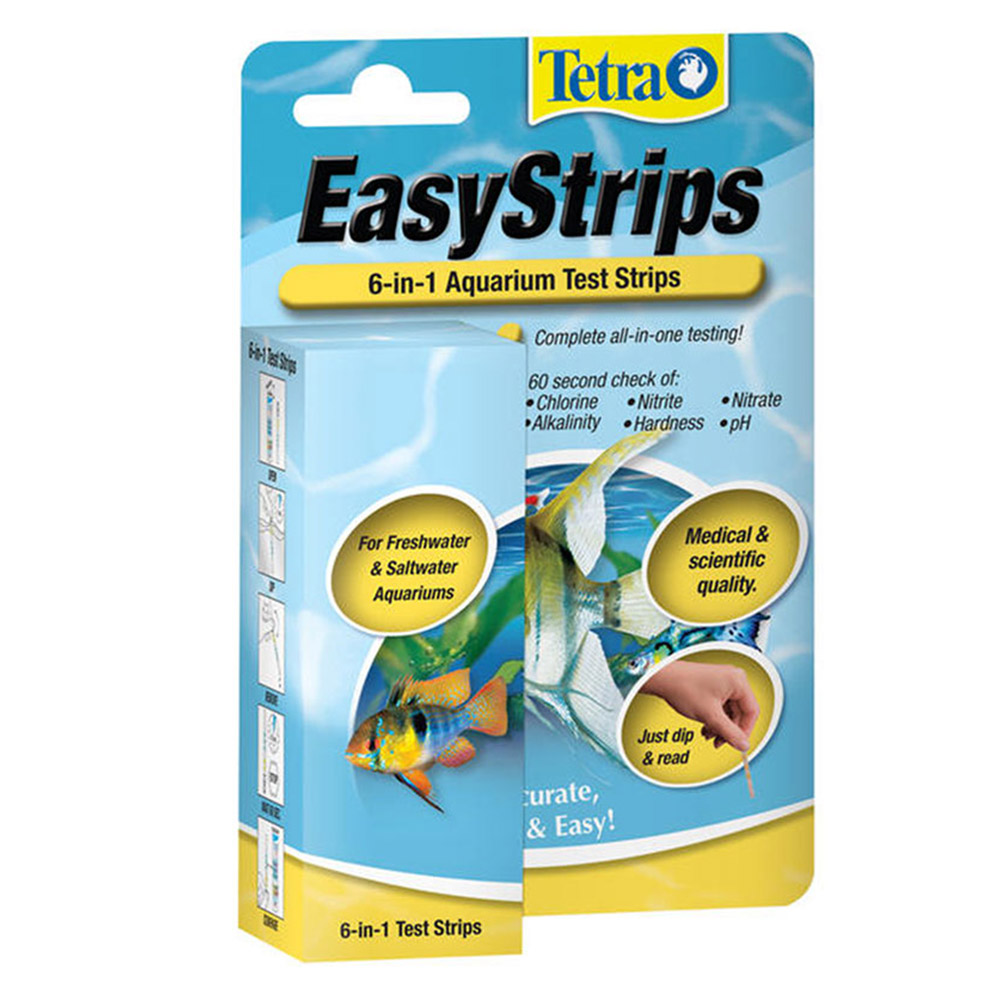
Tetra
Tetra Easystrips 6-in-1 Aquarium Test Strips For Fish
$24.96
$55.47Save up to $30.51
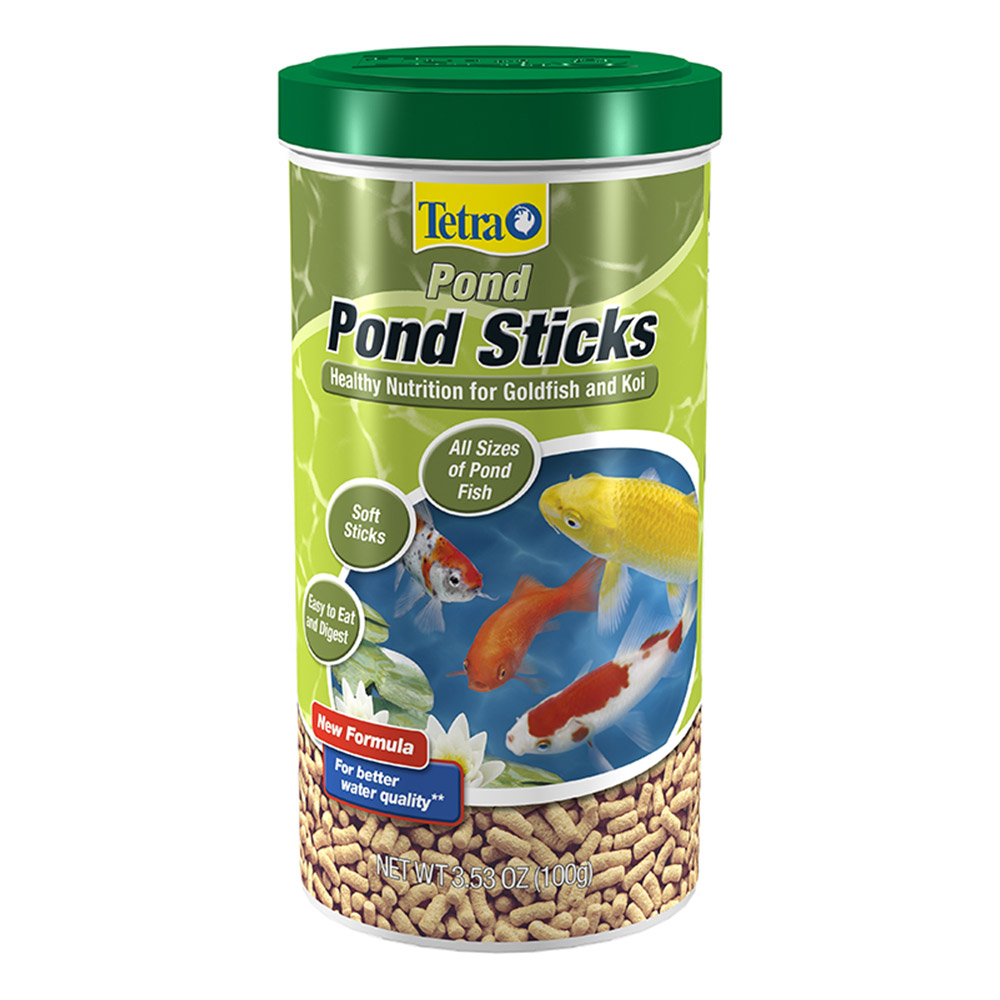
Tetra
Tetra Pond Sticks Food For Goldfish And Koi Fish
$40.59
$59.97Save up to $19.38
$90.20/kg

Tetra
Tetra Weekend Fish Feeder Gel Block
$18.50
$18.65Save up to $0.15
Showing 1–25 of 60 products
Fish food comes in distinct formats matched to fish feeding behaviour. Floating flakes suit top-feeding tropical community fish like guppies and tetras. Sinking pellets suit mid and bottom feeders such as catfish, loaches, and corydoras. Wafers are designed for plecos and other algae-eating species. Granules suit small-mouthed fish and fry. Freeze-dried options like bloodworms, brine shrimp, and tubifex work as treats and for picky eaters. Water conditioners are the other essential category — dechlorinators remove chlorine and chloramines from tap water, and beneficial bacteria starters like Seachem Stability help establish new tanks without losing fish to ammonia spikes.
In Australian households, the big decision drivers are tank size, stocking level, and whether the setup is freshwater or marine. Freshwater tropical tanks dominate entry-level fish keeping — hardy species like guppies, tetras, and platies forgive beginner mistakes. Goldfish and coldwater setups are common for starter tanks but need more water volume than most owners realise. Marine setups require more sophisticated chemistry monitoring, protein skimmers, and reef-safe food for planted or coral systems. Match food and conditioner to your specific setup rather than buying generic products.
How to choose
Start with your fish species, not the food brand. Different species have different dietary needs — herbivores like plecos need wafers with spirulina, carnivorous species need higher-protein pellets or freeze-dried foods, and community tropical fish do well on a quality flake. Match pellet size to mouth size: too big and the fish can't eat it, too small and it clouds the water. For water care, the two non-negotiables are a dechlorinator for every tap-water top-up and beneficial bacteria for new tanks and water changes. Seachem Prime is the Australian standard for dechlorination because it also neutralises ammonia temporarily. For stocking, remember that one inch of adult fish per gallon is a rule of thumb — most beginner tanks are over-stocked. A well-maintained tank with stable chemistry keeps more fish healthy than a cramped tank with premium food, regardless of what's on the packet.
Key considerations
Match food to species
Herbivores, carnivores, and community fish have different nutritional needs. Don't feed generic flake to everything.
Pellet size by mouth size
Too big and the fish can't eat it. Too small and it clouds the water. Size the food to the fish.
Dechlorinator is non-negotiable
Every tap-water top-up and water change needs dechlorinator. Chlorine and chloramine are toxic to fish.
Don't over-stock
Most beginner tanks are over-stocked. One inch of adult fish per gallon is a starting rule — err smaller.
Tank cycling takes weeks
New tanks need beneficial bacteria before adding fish. Stability products help, but patience is the real ingredient.
Frequently asked
How often should I feed my fish?+
For most adult fish, once or twice a day is plenty — only as much as they can eat in 2-3 minutes. Overfeeding is the single biggest mistake in fish keeping; uneaten food rots, spikes ammonia, and clouds water. Fry and breeding pairs need more frequent small feeds; adult fish can actually be fasted one day a week.
Do I really need a dechlorinator?+
Yes, for any tap water going into the tank. Australian municipal water contains chlorine and often chloramines, both of which damage fish gills within minutes. Dechlorinators neutralise them instantly. Seachem Prime is the most common choice because it also temporarily neutralises ammonia, which helps during water changes and emergencies.
What's the difference between flakes, pellets, and granules?+
Flakes float and suit top-feeding tropical fish like guppies, tetras, and bettas. Pellets sink at varying rates and suit mid and bottom feeders. Granules are small pellet-like pieces suited to small-mouthed fish and fry. Most community tanks use a mix of formats to reach fish at different levels.
How do I know if my tank is cycled?+
A cycled tank shows zero ammonia, zero nitrite, and measurable nitrate on a test kit. Cycling takes 4-8 weeks typically, though beneficial bacteria starters like Seachem Stability can shorten the window. Stock the tank slowly — add fish in small groups over weeks rather than all at once, especially in a fresh setup.
Is frozen or freeze-dried food better?+
Both are supplemental rather than everyday main feeds. Frozen foods like bloodworms, brine shrimp, and daphnia closely mimic natural prey and are a high-quality treat for predatory fish. Freeze-dried is shelf-stable and convenient but higher in preservatives. Use either as a supplement to a quality flake or pellet base, not as the whole diet.