
Bird111 products
Seed, pellets, supplements, and accessories for parrots, finches, and budgies.
Bird supplies in Australia cover the full range of pet bird keeping, from budgies and finches in indoor cages to cockatiels, parrots, and lorikeets in outdoor aviaries. The category centres on food — seed mixes, pelleted diets, soft food, and fresh-food supplements — alongside accessories like cuttlebone, grit, perches, and toys. Vetafarm dominates this category in Australia with a full range of species-specific pellets and supplements developed by avian vets, alongside standard seed-mix brands and imported parrot-specific products.


Vetafarm
Vetafarm Parrot Essentials Bird Seed Mix
$27.95
$50.00Save up to $22.05

Vetafarm
Vetafarm South American Mix
$29.55
$51.00Save up to $21.45

Vetafarm
Vetafarm Finch And Budgie Crumbles Bird Food
$14.85
$25.50Save up to $10.65
$11.99/kg

Vetafarm
Vetafarm Cavy Origins Guinea Pig Food
$45.99
$67.50Save up to $21.51
$7.38/kg

Vetafarm
Vetafarm Nutri Blend Small Pellets
$31.19
$50.00Save up to $18.81

Vetafarm
Vetafarm Nutriblend Mini Bird Pellets
$33.91
$50.00Save up to $16.09

Vetafarm
Vetafarm Paradise Pellets Bird Food
$29.95
$50.00Save up to $20.05
$14.97/kg

Vetafarm
Vetafarm Nutriblemd Large Pellets
$25.99
$35.00Save up to $9.01

Subscription prices can save 2-15%
Some stores offer autoship discounts. These range between 2.5-15% off when you set up a repeat delivery.

Vetafarm
Vetafarm Forest Fusion Lorikeet Diet
$38.38
$51.50Save up to $13.12
$13.99/kg

Vetafarm
Vetafarm Lorikeet Nectar Pellets
$29.55
$45.00Save up to $15.45

Wombaroo
Wombaroo Lorikeet & Honeyeater Food
$9.89
$17.95Save up to $8.06
$18.28/kg

Vetafarm
Vetafarm Paradise Pellets
$111.95
$134.18Save up to $22.23

Vetafarm
Vetafarm Md Parrot Pellets For Birds
$31.92
$53.00Save up to $21.08

Vetafarm
Vetafarm South American Bird Seed Mix
$14.92
$22.50Save up to $7.58

Vetafarm
Vetafarm Deli Stix Natural Nibbles
$6.99

Vetafarm
Vetafarm Nutriblend
$119.94
$163.00Save up to $43.06
Prices fluctuate more than you think
Poppy has tracked price swings of up to 40% on the same product within a single month. Setting a price alert means you never miss a dip.

Vetafarm
Vetafarm Nutriblend Pellets Large Bird Food
$99.97
$133.00Save up to $33.03
$12.50/kg

Vetafarm
Vetafarm Parrot Breeder Pellets
$31.13
$50.00Save up to $18.87

Vetafarm
Vetafarm Multivet Liquid Supplement For Birds
$20.69
$44.50Save up to $23.81
Vetafarm
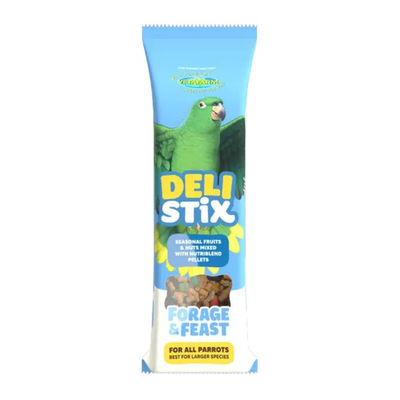
Vetafarm Deli Stix Forage & Feast
$6.99
$12.99Save up to $6.00

Vetafarm
Vetafarm Avimec Scaly Face Mite Treatment For Budgerigars
$23.26
$43.00Save up to $19.74

Wombaroo
Wombaoo Insectivore Rearing Mix
$29.69
$42.00Save up to $12.31

Wombaroo
Wombaroo Insectivore Rearing Mix
$9.95
$17.95Save up to $8.00

Vetafarm
Vetafarm Macaw Nuts Bird Food
$32.90
$46.00Save up to $13.10
$16.45/kg

Vetafarm
Vetafarm B-calm Parrot Pellets
$21.99
$28.00Save up to $6.01
Showing 1–25 of 111 products
Bird nutrition has shifted significantly over the last two decades: pellets are now recommended over seed-only diets by most avian vets, because seed-only diets cause fatty liver disease, calcium deficiency, and behavioural issues in captive parrots. Seed mixes remain appropriate for finches, budgies, and canaries as a base, but most parrot species benefit from a pellet-based diet with seed, fresh fruit, and vegetables as supplements. Species-specific ranges like Vetafarm Parrot Essentials, Finch & Budgie Crumbles, and Paradise Pellets match the size and nutritional profile of the target bird. Cuttlebone and calcium blocks support breeding and laying birds, and soluble grit helps digestion for some species.
Australian native parrots like lorikeets, rosellas, and cockatiels are popular pets, and they have specific dietary needs that differ from imported parrot species. Lorikeets are specialised nectar feeders and need wet nectar mixes rather than seed or pellets. Large cockatoos and macaws need proportionally higher fat and calcium for their body size. Finches and canaries are easier to feed but benefit from egg food during breeding season. Climate matters too — hot Australian summers raise the importance of fresh water access and shaded aviary space.
How to choose
Match the diet to your bird's species first. Budgies, finches, and canaries do well on a quality small-seed mix supplemented with fresh greens and soft food. Cockatiels, lorikeets, and medium parrots benefit from a pellet-based diet with seed as a supplement. Large parrots — African greys, amazons, macaws, cockatoos — should be on pellets as the base with fresh fruit and vegetables. Lorikeets need a specialised wet or dry nectar mix such as Vetafarm Paradise Lorikeet because their tongues are adapted for liquid feeding. For supplements, calcium and cuttlebone matter for breeding birds and females laying eggs. Avoid colour-dyed pellets if your bird is sensitive. Fresh water is non-negotiable and should be changed daily — many bird health problems trace back to dirty water bowls, especially in Australian summer heat.
Key considerations
Pellets beat seed-only for parrots
Seed-only diets cause fatty liver and calcium deficiency in parrots. Most avian vets now recommend pellet-based feeding.
Match food to species
Finches and budgies on seed mix. Cockatiels and parrots on pellets plus supplements. Lorikeets on nectar mix.
Calcium for layers and breeders
Breeding and laying birds need extra calcium. Cuttlebone and calcium blocks are essential for healthy eggshells.
Fresh water daily
Dirty water causes bacterial infections, especially in Australian summer heat. Change and scrub bowls every day.
Native parrots have specific needs
Lorikeets need nectar, not seed. Australian natives often need species-appropriate diets different from imported parrots.
Frequently asked
Are pellets better than seed for my bird?+
For parrots, cockatiels, and medium-to-large hookbills, yes — pellets provide balanced nutrition that seed-only diets lack, and avoid the fatty liver and calcium deficiency problems common in seed-fed parrots. For small birds like budgies, finches, and canaries, a quality seed mix supplemented with greens and soft food is usually adequate.
What do lorikeets eat?+
Lorikeets are specialised nectar feeders — their tongues are adapted for liquid foods, not seeds. Commercial lorikeet nectar mixes like Vetafarm Paradise Lorikeet come in wet or dry forms and replicate the flowering-plant diet native lorikeets evolved on. Fresh fruit is a valuable supplement, but seed mixes don't suit them.
Does my bird need grit?+
It depends on the species. Softbills, finches, and some doves and pigeons use grit to help grind seeds in the gizzard. Parrots, cockatiels, and hookbills crack seeds with their beaks and generally don't need grit — impacted crops from over-grit feeding are a known problem in parrots. Cuttlebone is useful for most species for calcium, separate from grit.
How do I switch my bird from seed to pellets?+
Gradually. Start by offering pellets alongside the usual seed for a few days so the bird sees them as food. Then slowly reduce the seed portion over 2-4 weeks. Birds are wary of new foods, and a sudden switch can cause them to stop eating. Some birds take weeks to accept pellets — persistence and patience matter.
Why is my bird plucking feathers?+
Feather plucking has many causes — boredom, stress, nutritional deficiency, skin infection, or underlying illness. Before adjusting diet or supplements, see an avian vet to rule out medical causes. Behavioural plucking often responds to more foraging opportunities, environmental enrichment, and a move to a pellet-based diet if the bird was on seed only.