
Freeze-Dried & Air-Dried Cat Food41 products
Raw-style nutrition aimed at fussy cats and picky grazers.
Freeze-dried and air-dried cat food exists for one main reason: cats are fussy, and freeze-dried recipes are some of the most aromatic, palatable food you can put in front of a reluctant eater. The format preserves the protein structure and aroma of raw meat without the refrigeration, thawing, or hygiene requirements of fresh raw. For owners of cats who won't eat kibble, won't stay interested in wet food, or have medical reasons to eat a high-meat diet, this category is often the answer.

Shop by breed
All breeds →

Ziwi Peak
Air Dried Chicken Recipe Dry Cat Food
$74.95
$73.34/kg
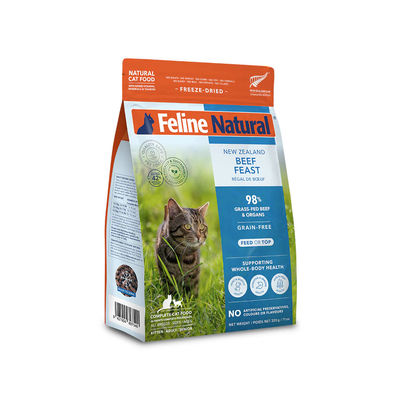
K9 Feline Natural
Feline Natural Beef Feast Freeze-dried Cat Food
$27.99
$49.00Save up to $21.01
$91.00/kg

Ziwi Peak
Ziwi Peak Air Dried Mackerel & Lamb Recipe Dry Cat Food
$31.01
$54.00Save up to $22.99
$74.36/kg

Feline Natural
Feline Natural Lamb Tripe Freeze Dried Cat Food Booster
$16.99
$19.99Save up to $3.00
$97.45/kg

Trilogy
Trilogy Freeze Dried Lamb Cat Treat
$8.99
$16.49Save up to $7.50
$179.80/kg

Ziwi Peak
Ziwi Peak Cat Food Air Dried Chicken
$39.99
$95.90/kg
What type of cat are you shopping for?

Ziwi Peak
Ziwi Peak Cat Food Air Dried Venison
$52.50
$61.98Save up to $9.48
$75.00/kg

Ziwi Peak
Air Dried Beef Recipe Dry Cat Food
$76.98
$93.49Save up to $16.51
$76.98/kg

Subscription prices can save 2-15%
Some stores offer autoship discounts. These range between 2.5-15% off when you set up a repeat delivery.

K9 Feline Natural
Feline Natural Lamb Feast Freeze-dried Cat Food
$45.50
$54.99Save up to $9.49
$45.50/kg

Ziwi Peak
Ziwi Peak Steam And Dried Grass Fed Beef With Southern Blue Whiting Cat Food
$42.74
$54.00Save up to $11.26
$14.25/kg

Feline Natural
Feline Natural Beef And Hoki Feast Freeze Dried Cat Food
$40.79
$50.69Save up to $9.90
$56.88/kg

Bell & Bone
Bell & Bone Bell And Bone Cat Dental Topper - Chicken
$29.99
$39.99Save up to $10.00

Trilogy
Trilogy Dry Adult Cat Food Australian Beef + Freeze Dried Lamb
$39.76
$46.74Save up to $6.98
$22.09/kg

Ziwi Peak
Ziwi Peak Lamb Recipe Air Dried Cat Food 【exp:08/26】1kg×5
$39.99
$49.98Save up to $9.99
$95.90/kg

Ziwi Peak
Ziwi Peak Steam And Dried Wild South Pacific Fish Cat Food
$34.19
$54.00Save up to $19.81
$11.40/kg

Feline Natural
Feline Natural Lamb Healthy Bites Freeze Dried Cat Treats
$12.74
$14.19Save up to $1.45
$70.95/kg
Prices fluctuate more than you think
Poppy has tracked price swings of up to 40% on the same product within a single month. Setting a price alert means you never miss a dip.
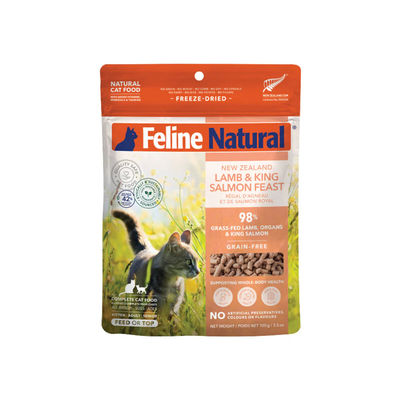
Feline Natural
Feline Natural Lamb & King Salmon Feast Freeze Dried Cat Food
$92.99
$99.99Save up to $7.00
$46.49/kg

Ivory Coat
Ivory Coat Raw Health Adult Cat Oral Care Dry Food With Freeze Dried Chicken Pieces
$36.99
$53.00Save up to $16.01
$18.50/kg

Trilogy
Trilogy Australian Salmon & Freeze Dried Lamb Adult Dry Cat Food 1.8kg/5kg
$42.99
$59.03Save up to $16.04
$22.63/kg

Ivory Coat
Ivory Coat Raw Health Cat Indoor & Hairball Chicken And Freeze Dried Lamb Dry Cat Food
$52.99
$53.00Save up to $0.01
$26.50/kg

Feline Natural
Feline Natural Beef Healthy Bites Freeze Dried Cat Treats
$12.74
$14.19Save up to $1.45
$70.95/kg
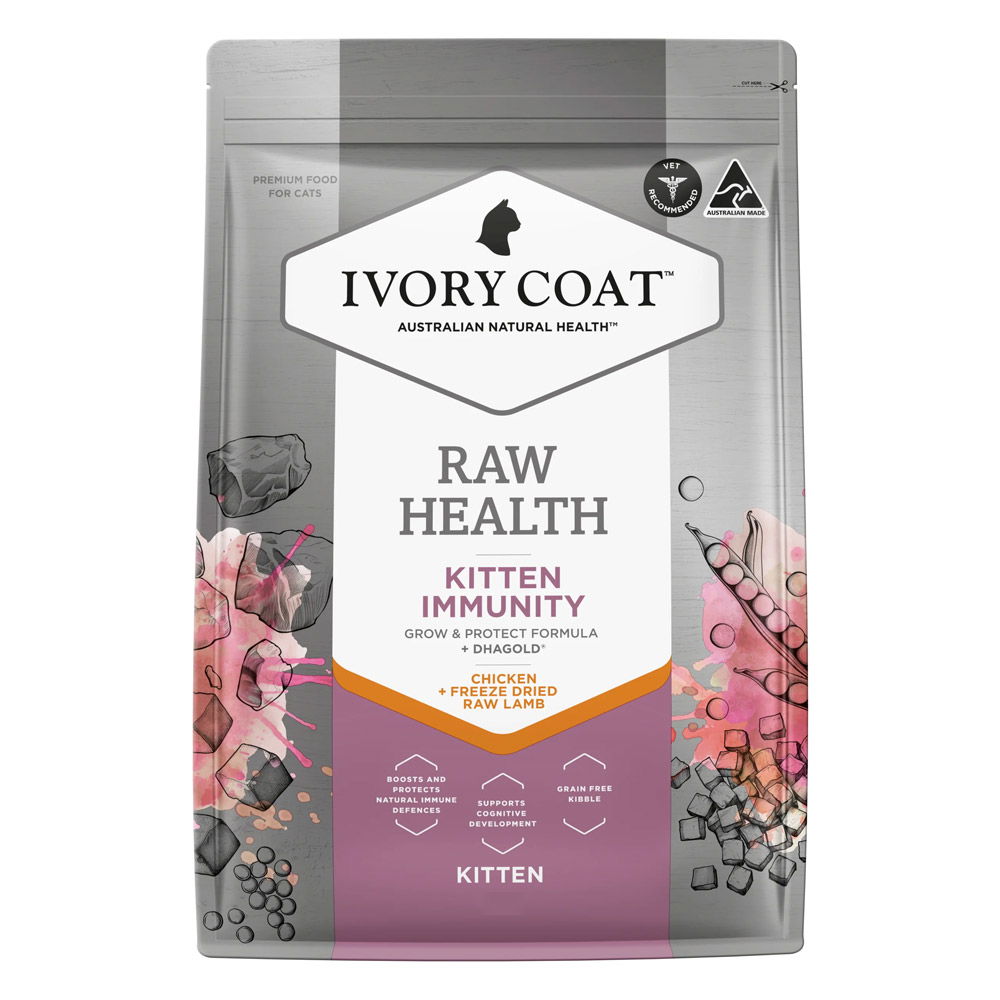
Ivory Coat
Ivory Coat Raw Health Kitten Immunity Chicken + Freeze Dried Raw Lamb Dry Cat Food
$65.74
$76.37Save up to $10.63
$16.43/kg

Trilogy
Trilogy Salmon Adult Cat Food
$35.99
$52.00Save up to $16.01
$15.60/kg

Ziwi Peak
Ziwi Peak Lamb Recipe Air Dried Cat Food 1kg×5-exp-25/08/2026
$78.00
$88.00Save up to $10.00
$78.00/kg

K9 Feline Natural
Feline Natural Lamb & Venison Freeze Dried Cat Food
$16.99
$19.50Save up to $2.51
$169.90/kg
Showing 1–25 of 41 products
Freeze-drying uses vacuum and sub-zero temperatures to pull water out while leaving most nutrients intact; air-drying uses slow warm airflow for a similar outcome with a denser, jerky-style texture. Both formats are shelf-stable, lightweight, and typically feature a single named protein — lamb, chicken, beef, venison, fish, or duck — as the first ingredient. You can feed freeze-dried cat food dry straight from the bag, rehydrate it with warm water for cats who prefer a wet texture, or use it as a high-value topper over kibble to boost palatability and water intake.
In Australia, this category punches above its weight for fussy indoor cats, cats recovering from illness, and senior cats with reduced appetite. It's also popular with owners who want to feed raw-style but live in apartments without freezer space or can't commit to the handling routine of fresh raw. The trade-off is cost per serving: these products sit at the premium end of the shelf, which is why most cat owners use them as a topper or mealtime feature rather than the whole bowl.
How to choose
For fussy cats, start with the strongest aroma — freeze-dried fish or chicken typically out-performs lamb or beef on initial acceptance. If your cat takes to it, you can diversify proteins after a few weeks. Look for 'complete and balanced' on the label if you want to feed it as the main diet, rather than 'complementary' which signals topper-only formulation. Single-protein recipes are the safer start for cats with food sensitivities, and avoid recipes where a starch or unnamed 'animal derivative' leads the ingredient list — you should be paying for meat in this category. Rehydrating with warm water helps under-hydrated cats and cats with renal history. Watch portion sizes: freeze-dried food is calorie-dense and a small serving goes a long way, so follow the packet guide more closely than you would with kibble.
Key considerations
Aroma drives acceptance
Fussy cats respond to scent. Freeze-dried fish and chicken typically beat lamb and beef for first-time acceptance.
Topper use is common
Many owners use freeze-dried as a high-value topper over kibble rather than the sole diet — it stretches a bag and boosts interest.
Rehydrate for hydration
Mix with warm water for cats who need more moisture, especially seniors and cats with urinary or kidney history.
Single-protein first
Start with a single-protein recipe if your cat has any food sensitivities. Multi-protein blends complicate troubleshooting later.
Portion carefully
Freeze-dried food is calorie-dense. A small serving is often enough — follow the packet guide rather than eyeballing.
Frequently asked
Is freeze-dried cat food safe to feed raw?+
Yes — freeze-drying preserves the raw nutritional profile while removing the water that supports bacterial growth. Commercial freeze-dried cat food is processed under food-safety standards and tested for pathogens. If you prefer, rehydrating with warm water reconstitutes it closer to a wet-food texture, which some cats prefer.
How do I rehydrate freeze-dried cat food?+
Measure the portion, add warm water until the food softens (usually 2-3 parts water to 1 part food), and let it sit for a couple of minutes. Some cats prefer the crunchy dry texture straight from the bag, so try it dry first — rehydration is an option, not a requirement, unless the label says otherwise.
Can I use it as a training treat?+
Yes, though training treats are less common for cats than dogs. Freeze-dried pieces work well for clicker training, recall practice, and as a high-value reward for medication or vet-visit tolerance. Because it's complete food, small amounts don't upset sensitive stomachs the way a random treat can.
Is it more expensive than kibble?+
Considerably. Freeze-dried and air-dried cat food sit at the premium end of the market, and the cost per serving is several times that of standard kibble. This is why most owners use the format as a topper or mealtime feature rather than the full diet — a little goes a long way and the aroma alone often tempts a fussy cat to eat.
How long does it last once opened?+
Most freeze-dried and air-dried cat food stays fresh for several weeks after opening if resealed in its original bag or an airtight container, kept away from heat and humidity. Check the packet for the exact window — some brands include an oxygen absorber that affects post-open shelf life.