
Bowls & Feeders47 products
Slow feeders, water bowls, fountains, and enrichment mats for mealtimes.
Dog bowls and feeders cover more than just a metal dish. This category includes slow feeders that pace fast eaters, lickmats (LickiMat and similar) that turn mealtime into an enrichment activity, puzzle feeders that make dogs work for kibble, water fountains that encourage better hydration, raised feeders for large and tall dogs, and standard stainless steel or ceramic bowls. The right feeder matters more for some dogs than others — fast eaters, indoor dogs, anxious dogs, and dogs on restricted diets all benefit from the upgrades.

Shop by breed
All breeds →
LickiMat
Lickimat Buddy Tuff Slow Feeder Mat For Dogs Green
$11.95
$29.74Save up to $17.79

LickiMat
Lickimat For Dog Soother Pro Tuff Green
$13.49
$29.74Save up to $16.25
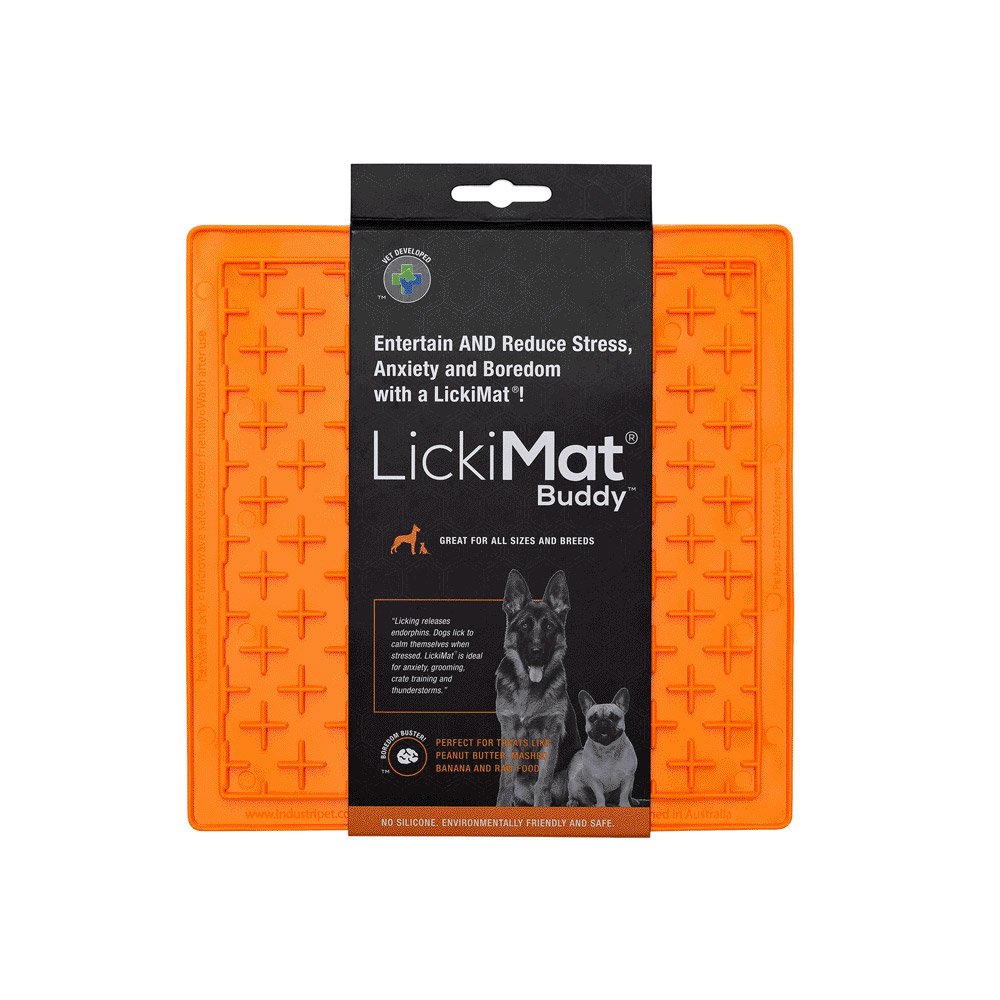
LickiMat
Lickimat Classic Buddy Dog Turquoise
$10.83
$31.72Save up to $20.89

LickiMat
Lickimat Dog Bowl Classic Buddy Green
$14.95
$24.98Save up to $10.03

LickiMat
Lickimat Dog Yoggie Pot Orange
$29.99
$30.40Save up to $0.41

LickiMat
Lickimat Soother Large - Orange
$10.83
$24.98Save up to $14.15
What type of dog are you shopping for?

LickiMat
Lickimat Tuff Playdate Slow Feeder Turquoise
$14.99
$29.74Save up to $14.75

Vetsense
Vetsense Denticare Fresh Breath
$26.49
$28.09Save up to $1.60

Subscription prices can save 2-15%
Some stores offer autoship discounts. These range between 2.5-15% off when you set up a repeat delivery.

LickiMat
Lickimat Dog Bowl Yoggie Pot Pink
$24.50
$29.99Save up to $5.49

LickiMat
Lickimat Dog Slodog Orange
$15.74
$29.74Save up to $14.00

LickiMat
Lickimat Dog Buddy Medium Purple
$10.83

LickiMat
Lickimat Dog Classic Playdate Orange
$10.83
$24.98Save up to $14.15

Doog
Doog Foldable Bowl Blue
$11.97

LickiMat
Lickimat Dog Classic Soother Turquoise
$10.83
$30.40Save up to $19.57

KONG
Kong Licks Enrichment Lick Mat Dog Toy
$7.49
$16.00Save up to $8.51

LickiMat
Lickimat Dog Bowl Wobble Orange
$14.44
$35.15Save up to $20.71
Prices fluctuate more than you think
Poppy has tracked price swings of up to 40% on the same product within a single month. Setting a price alert means you never miss a dip.

LickiMat
Lickimat Slomo Slow Feeder Mat For Dogs Turquoise
$10.49
$31.06Save up to $20.57

LickiMat
Lickimat Dog Classic Soother X-large Green
$19.87
$24.98Save up to $5.11

LickiMat
Lickimat Splash Slow Feeder Turquoise
$26.95
$35.15Save up to $8.20

LickiMat
Lickimat Splash Slow Feeder Dog Bowl - Blue
$21.59
$26.99Save up to $5.40

Snooza
Snooza Doo Doo Good Eco Bags
$27.49
$39.00Save up to $11.51

LickiMat
Lickimat Dog Ufo Orange
$24.74
$31.06Save up to $6.32

LickiMat
Lickimat Dog Bowl Classic Buddy Turquoise
$19.87
$24.98Save up to $5.11

Oh Crap
Oh Crap Compostable Dog Poop Bags 60 Bags
$8.52
$16.97Save up to $8.45

LickiMat
Lickimat Ufo Slow Feeder Dog Bowl Turquoise
$24.50
$31.99Save up to $7.49
Showing 1–25 of 47 products
Slow feeders are the biggest sub-group — they use raised ridges and maze patterns to force a dog to work kibble out piece by piece, which slows eating speed and reduces bloat risk in large deep-chested breeds. LickiMats spread wet food, peanut butter, or other pastes across a textured surface that takes 15-30 minutes to lick clean — they're popular for mealtime enrichment and for distracting anxious dogs during grooming or fireworks. Water fountains from Catit, Dogness, and Cat Mate encourage hydration through moving water. Raised feeders reduce neck strain for large dogs and dogs with joint issues. Stainless steel remains the default for standard bowls — durable, dishwasher-safe, and hygienic.
In Australian summers, water bowl hygiene matters more than most owners realise — warm ambient temperatures turn unwashed bowls into bacterial growth sites within a day. Stainless steel and ceramic clean more easily than plastic, which develops scratches that harbour bacteria. Outdoor water bowls need to be refilled and washed daily in hot weather. For dogs on wet food or raw diets, ceramic bowls are often preferred — they clean thoroughly and don't retain odours the way plastic can.
How to choose
Start with the material. Stainless steel is the standard recommendation for most dogs — durable, dishwasher-safe, non-porous, and doesn't harbour bacteria. Ceramic works well too, particularly for heavier dogs that slide plastic bowls across the floor. Avoid plastic for long-term use; it scratches, harbours bacteria, and can cause 'plastic dish dermatitis' in sensitive dogs. For fast eaters, a slow feeder bowl is a practical upgrade — it reduces gulping, pacing, and bloat risk, and works particularly well for labs, boxers, and other breeds prone to inhaling meals. Large and tall dogs benefit from raised feeders that reduce neck strain during meals. For mealtime enrichment, LickiMats and puzzle feeders turn a standard meal into a 15-30 minute engagement activity, which helps anxious dogs and indoor dogs burn mental energy. Water fountains suit dogs that prefer moving water or don't drink enough from still bowls.
Key considerations
Stainless steel is the default
Durable, dishwasher-safe, non-porous, hygienic. Ceramic is the other good choice. Avoid plastic for long-term use.
Slow feeders reduce gulping
Fast-eating large deep-chested breeds like labradors and boxers benefit from slow feeders that pace meals and lower bloat risk.
Match height to dog
Large and tall dogs eat more comfortably from raised bowls. Small dogs don't need the lift.
LickiMats are enrichment too
Spreading wet food on a LickiMat turns a 30-second meal into 15-30 minutes of calming licking. Great for anxious dogs.
Daily wash in summer
Warm ambient temperatures turn unwashed bowls into bacterial growth sites within a day. Wash daily, especially water bowls.
Frequently asked
Are slow feeder bowls necessary?+
For dogs that inhale meals, yes — slow feeders reduce gulping, lower bloat risk (which is serious in large deep-chested breeds like labradors, boxers, and great danes), and make mealtimes last long enough to register as meals. For dogs that naturally eat at a reasonable pace, they're optional.
Should I get a raised dog bowl?+
Raised bowls suit large and tall dogs, dogs with arthritis or neck issues, and giant breeds that strain to reach floor-level bowls. They're less useful for small breeds and not necessary for most medium dogs. Raised feeders were once thought to prevent bloat — research now suggests they may slightly increase bloat risk, so use them for comfort rather than bloat prevention.
Is plastic safe for dog bowls?+
Short term, yes. Long term, plastic scratches, harbours bacteria, and can cause 'plastic dish dermatitis' — a reaction to chemicals leaching from scratched plastic that shows up as nose and lip irritation. Stainless steel and ceramic are both better long-term choices, and dishwasher-safe stainless steel is the practical default for most households.
What's a LickiMat and why do dogs love them?+
A LickiMat is a textured silicone mat you spread wet food, yoghurt, peanut butter, or other paste onto. Dogs lick it clean, which takes 15-30 minutes and provides calming mental enrichment — licking lowers stress and heart rate. Popular for anxious dogs, grooming distraction, fireworks nights, and slow-feeding wet or raw food.
Do water fountains encourage dogs to drink more?+
For many dogs, yes — the movement attracts attention and the continuous filtration keeps water cooler and fresher than a static bowl. The effect is stronger in cats than dogs, but dogs who don't drink enough (especially on kibble diets) often drink more from a fountain. Clean and refill as per the instructions.